
Conditions Treated
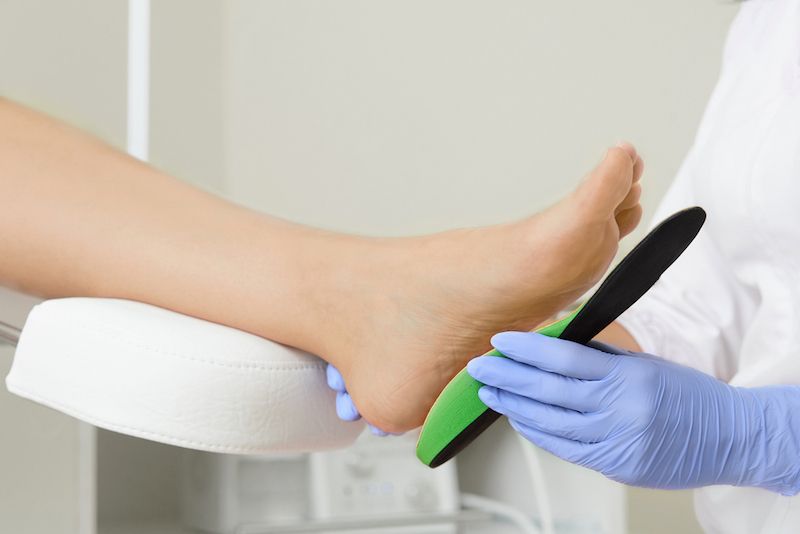
Many people live with consistent and regular foot pain. While others may have pain that occurs only when they are engaged in certain activities. While orthotics may not be the right answer for everyone to help with this pain, it’s a good idea to consult with a professional to decide if orthotics are a good option for you.
For many, it is tempting to try to self-diagnose and purchase shoe inserts without consulting with a medical professional first, but the results are often minimal or ineffective. However, this doesn’t mean that you should be unprepared for your visit which is why we’ve compiled some helpful information to get you up to speed on the world of orthotics.
Inserts
Shoe inserts are available over the counter in many pharmacies and shoe stores and provide an additional cushion when they are placed inside of a shoe. Shoe inserts are constructed from a variety of materials including gel, plastic, or foam. These inserts offer additional support for arches, heels, toes, or the entire foot, but if the inserts are not made specifically for your foot or foot pain, they will not actually help correct any problems that are causing your specific pain.
Orthotics
Many consumers feel that orthotics and inserts are synonymous. However, there are several distinct differences between the two. Orthotics are prescription medical devices that are specifically designed and tailored to meet your personal needs and can help with your foot position when you stand, walk or run. Orthotics are also prescribed to help with other medical conditions such as arthritis, diabetes, plantar fasciitis or bursitis and can be prescribed to eliminate the need for surgery to correct flat feet.
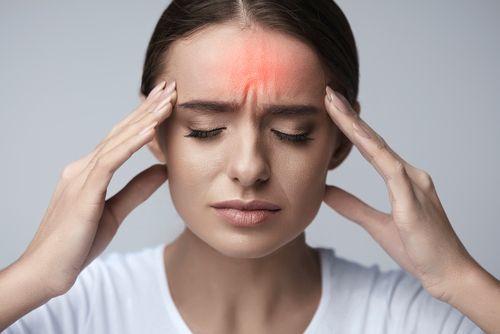
A headache is a very generalized term given to pain that is felt in the head or sometimes the neck. There are many different types of pain associated with headaches ranging from acute localized discomfort to a more generalized ache. Some headaches may appear suddenly and only last for a short period of time while others may build gradually and last for several hours.
Types of headaches
While experts have identified more than 150 different types of headaches, some are more common than others. These include:
Tension headaches
By far the most common type of headache is a tension headache, which is usually attributed to stress. They tend to come and go and cause mild to moderate pain with no other symptoms.
Migraines
Migraines are often considered to be more painful than a tension headache. They last longer ranging anywhere from a few hours to a few days and are usually accompanied by other symptoms such as sensitivity to light, smells, or sound, nausea and vomiting, blurred vision, and loss of appetite. Some people suffer from recurrent migraines and may experience multiple episodes in a short period of time.
Cluster headaches
Cluster headaches tend to occur in groups and even though no one is sure why are more common in men than women. The pain associated with a cluster headache tends to be a burning or piercing sensation that is localized behind or around one eye. It can also be so severe that the patient can’t function properly until the pain eases.
Sinus headaches
Sinus headaches tend to occur when one has a cold or sinus infection. With a sinus headache, the pain is felt in your cheekbones, forehead, or bridge of your nose where the sinuses are located since it is caused by the swelling of your sinuses. The pain usually decreases after taking anti-inflammatory pain medication.
There is a range of things that you can do to help with one-off headaches, such as taking pain medications, drinking plenty of water, and trying to relax somewhere calm and quiet. However, if you suffer from recurrent headaches, you may want to consider seeking chiropractic care, which has been shown to be very successful in providing relief and even helping prevent this type of pain.
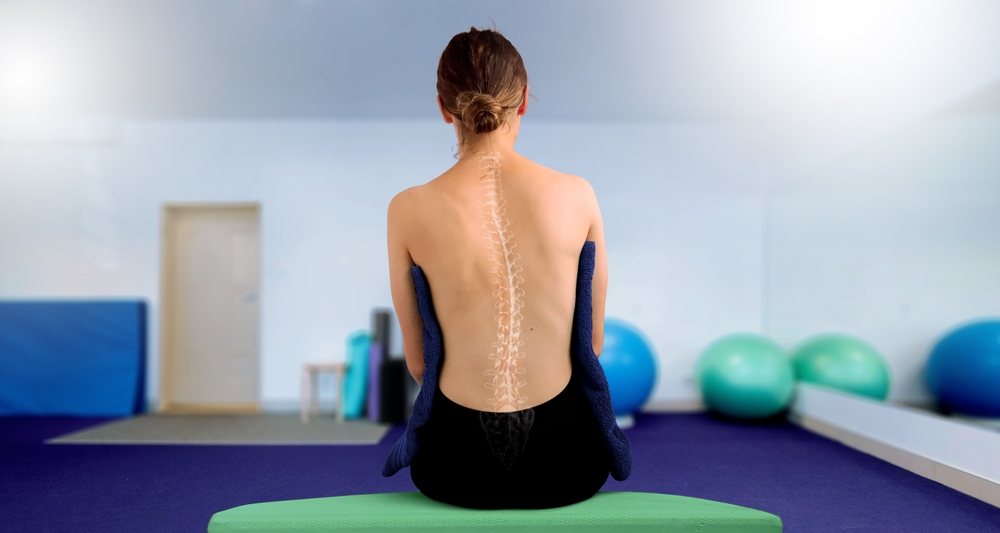
Scoliosis is a spinal condition characterized by an abnormal sideways curve that may also involve rotation of the vertebrae. Although it is commonly identified during childhood or adolescence, scoliosis can affect adults as well, sometimes contributing to back pain, stiffness, muscle imbalance, postural changes, and reduced mobility. Chiropractic care for scoliosis focuses on supporting comfort, movement, and overall spinal function.
Understanding Scoliosis
When viewed from the side, a healthy spine has natural curves that help absorb pressure and support movement. With scoliosis, the spine develops an abnormal C-shaped or S-shaped curve when viewed from behind.
The condition can range from mild to severe, and symptoms vary depending on the location and degree of the curve. Many cases are classified as idiopathic scoliosis, meaning the exact cause is unknown. Other forms may be related to congenital spinal differences, neuromuscular conditions, age-related degeneration, or previous injuries.
Common Signs and Symptoms
Some people with scoliosis experience few noticeable symptoms, while others develop discomfort or physical changes that affect daily activities. Common signs may include:
Uneven shoulders, hips, or waist
One shoulder blade appearing more prominent
A visible spinal curve or rotation
Back pain, stiffness, or muscle fatigue
Reduced flexibility or range of motion
Postural changes or difficulty standing comfortably
During an evaluation, our chiropractor may assess posture, spinal and joint mobility, muscle tension, movement patterns, and areas of physical imbalance. This information helps identify how scoliosis may be affecting your ability to move comfortably and complete everyday activities.


Our Services
Contact Info
Hours of Operation
- Monday 9:00 AM – 1:00 PM,
3:00 PM – 7:00 PM - Tuesday 9:00 AM – 1:00 PM,
3:00 PM – 7:00 PM - Wednesday 9:00 AM – 1:00 PM,
3:00 PM – 7:00 PM - Thursday 9:00 AM – 1:00 PM,
3:00 PM – 7:00 PM - Friday 9:00 AM – 1:00 PM,
3:00 PM – 7:00 PM - Saturday 9:00 AM - 1:00 PM
- Sunday Closed
© 2025 Prime Health Center. All rights Reserved. Accessibility Statement - Privacy Policy - Sitemap
Powered by:
